KEY HIGHLIGHTS:
Route Officially Verified: The Identification and Clearance campaign for the Second
Malta–Sicily Interconnector (IC2) has been successfully completed, verifying and
preparing the submarine corridor for cable laying later this year.
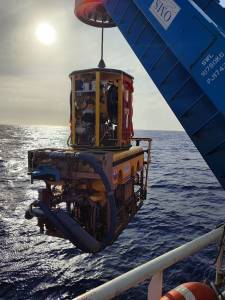
117 Unexploded Ordnance Cleared: Specialised offshore operations using remotely operated vehicles successfully identified, managed, and cleared 117 unexploded wartime items from the cable installation corridor.
Strategic Infrastructure Milestone: The completion of this high-risk preparatory
phase marks an essential technical milestone toward doubling Malta's interconnection
capacity and achieving national 2050 decarbonisation goals.
Interconnect Malta has successfully completed the critical identification and clearance
campaign for the offshore route of the Second Malta–Sicily Interconnector (IC2) project,
paving the way for the next phase of offshore works ahead of the planned commencement of marine cable laying activities later this year.
Following the identification of hundreds of subsea targets along the 99-kilometre submarine
corridor, specialised offshore teams relocated 117 unexploded ordnance items, predominantly dating back to the Second World War. This complex operation prepares the strategic maritime route for the next phase of installation, ensuring the protection of personnel, the integrity of the infrastructure, and the long-term reliability of the network.
The Identification and Clearance campaign was initiated following the completion of the
Detailed Marine Route Survey, during which 707 magnetic targets were initially detected along the 99-kilometre submarine cable route between Malta and Sicily.
Following rigorous desktop post-survey analysis, this figure was reduced to 393 targets
requiring direct physical investigation through specialised offshore inspection and clearance
activities.
During the offshore campaign, 84 of these targets were initially confirmed to be unexploded ordnance (UXO). Whilst this already represented a significant volume compared to standard offshore surveys, further engineering challenges arose as works progressed. Additional UXOs were identified buried directly beneath some of the previously detected objects, raising the final number of cleared unexploded items within the corridor to 117.
The uncovered munitions varied considerably in type, size, and physical condition, ranging
from artillery shells and hand grenades to Hedgehog anti-submarine mortars. Due to the
depths involved and the inherent safety risks associated with unexploded wartime ordnance, handling and clearance activities were carried out by specialised personnel utilising remotely operated vehicles and dedicated offshore equipment. These operations required detailed planning, continuous coordination with the Armed Forces of Malta, and strict adherence to established safety protocols.
The campaign was executed through Interconnect Malta's main contractor, Nexans, with the direct support of specialised subcontractors NextGeo and Sub Service S.r.l., who provided the necessary vessels, equipment, marine expertise, and Explosive Ordinance Disposal specialists. Following the successful completion of the operation, Sub Service S.r.l. will issue the relevant safety certifications.
Miriam Dalli, Minister for Energy, the Environment and the Regeneration of the Grand
Harbour, stated that,
“the successful completion of the identification and clearance campaign represents a major
technical milestone for the Second Interconnector, a project which is central to Malta’s vision to decarbonise the sector by 2050”.
Inġ. Ismail D’Amato, Chief Executive Officer at Interconnect Malta, acknowledged the critical external support provided throughout the operation:
“The collaboration, technical assistance, and close coordination with the Armed Forces of
Malta at each stage of the campaign, were essential to ensuring that the works were carried out safely and in line with the required procedures”.