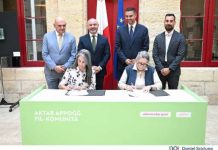
Foundation handles more than 27,000 cases, a 5% increase on 2024, as it continues to invest in service quality, innovation and staff development
The Foundation for Social Welfare Services (FSWS) continued to strengthen its operations, invest in innovation and expand its services across Malta and Gozo throughout 2025.
The FSWS is Malta’s national foundation for specialised social welfare services, which are continuously updated to respond to increasingly complex and changing social realities. Its work focuses particularly on supporting vulnerable children, families and adults, many of whom have previously benefited from its services.
Demand for the Foundation’s services remained steady and continued to grow compared to previous years. In 2025, the FSWS dealt with more than 27,000 cases, representing a 5% increase compared to 2024.
This continued growth also reflects the public’s confidence in the professionalism, accessibility and effectiveness of the Foundation’s services.
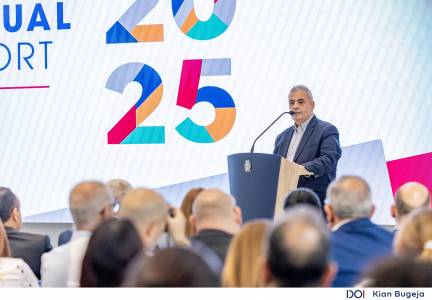
The figures were announced by Minister for Social Policy and Family Michael Falzon during the launch of the FSWS annual report for 2025. The report provides an overview of the assistance requested by individuals and families and how social workers respond to these needs.
“The FSWS is becoming more accessible, and more clients are turning to the Foundation because they know it can offer support and an individualised, long-term plan, with the ultimate aim of achieving greater stability. We must remember that timely intervention can help a family or an individual rebuild their life,” Minister Falzon said.
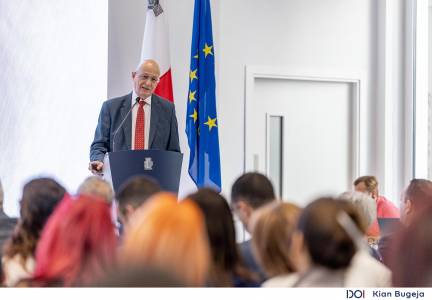
FSWS Chief Executive Officer Alfred Grixti highlighted several initiatives undertaken by the Foundation, including the Għabex Emergency Shelter for victims of domestic violence, the implementation of the New Beginnings – Empowering Against Trafficking project, and securing European Union funding for the Second Chance project, which supports vulnerable young people.
“Throughout 2025, the Foundation continued to invest in service quality, staff development, digital transformation and evidence-based practice. We also strengthened our operational capacity across several services, enabling us to assist a greater number of clients,” Grixti said.
The Foundation also continued to invest in its workforce, employing more than 1,000 people by the end of 2025.
Training and professional development remained key priorities, with approximately 200 internal training sessions held during the year, involving employees across the organisation.