The Government continues to invest in inclusive education and looks towards new vocational learning opportunities for students
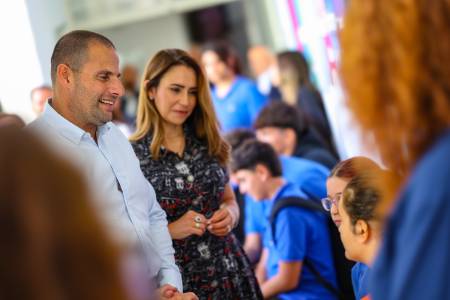
Prime Minister Robert Abela, accompanied by his wife Dr Lydia Abela and the Permanent Secretary within the Ministry for Education and Sport Matthew Vella, visited the Alternative Learning Programme (ALP) school in Paola.
The ALP school offers 16 vocational subjects, including engineering, welding, mechanics, electrical training, plumbing, hairdressing, hospitality and agriculture. Students choose two vocational subjects, while continuing to study core subjects such as Maltese, English, Mathematics and ICT.
The educational programmes offered also include six weeks of work experience in the industry, with the aim of students strengthening their practical skills and being better prepared for the world of work or for further studies, including at MCAST and the Institute for Tourism Studies (ITS).
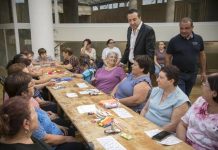
During this visit, the Prime Minister met with students and educators and saw firsthand the work being done to provide young people with educational opportunities that reflect their skills, interests and aspirations.
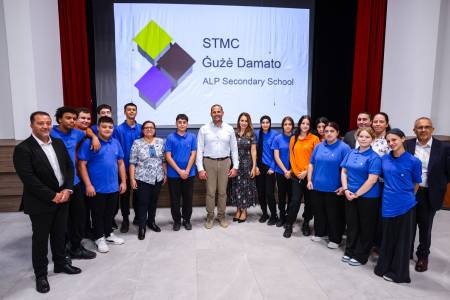
“Not every student has the same skills, the same interests or the same aspirations. But every student has potential and therefore must be given the opportunity to develop it. Therefore, I believe that our educational system must continue to offer different paths to success, where academic and vocational learning are given the same value and respect. For us, a student’s success is not measured only by academic results, but also by the skills they develop and the opportunities they find before them,” the Prime Minister said.
In fact, the Prime Minister also pointed out that a discussion is currently underway on whether a vocational school should be established at secondary level, which would offer a clearer path to students interested in practical learning and skills-based careers.
Meanwhile, the Prime Minister referred to further measures that facilitate education among children and young people, including that through which the annual allocation available to school heads to help students in need has been increased from €10,000 to €30,000.
At the same time, Dr Abela stated that the Government is continuing to introduce Calming Spaces in schools, dedicated spaces that help students manage their emotions, reduce stress and find a more serene environment that helps them concentrate better on learning.
“We want an education system that leaves no one behind. This means not only creating more opportunities, but also ensuring that no child is deprived of them due to their family circumstances or the particular needs they may have. This is why we are strengthening direct assistance in schools and investing in environments that prioritize the well-being of students,” said Prime Minister Robert Abela.
During the visit, the Prime Minister visited classrooms, followed practical training sessions and spoke with students about their experiences, the skills they are acquiring and their aspirations for the future.
Photos: DOI/OPM