Several international scientists in Malta to follow what is being discovered in Mellieħa
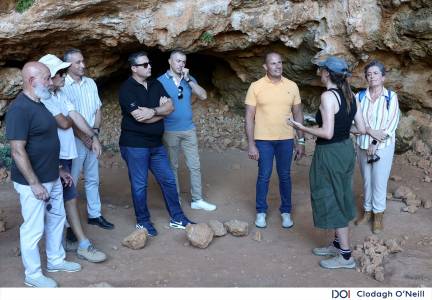
Prime Minister Robert Abela visited the ongoing archaeological excavation at Ta’ Latnija, in Mellieħa. A part of our country’s history was discovered on this site that no one had ever known about before and which in fact dates the human presence in Malta 1,000 years earlier than previously understood and agreed upon. Dr Abela noted the strong interest that this place is attracting, with the Superintendence of Cultural Heritage (SCH) stating that National Geographic is currently preparing a feature on the important findings in Mellieħa.
This is in addition to the fact that several international scientists are also coming to our country to evaluate this crucial discovery.
Apart from that, the project underway in Latnija is unique because it is reconstructing 300,000 years of climate history about Malta, which will help us understand climate change and its impact.
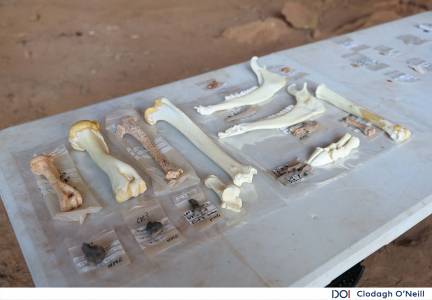
Professor Eleanor Scerri explained how this study is benefiting from millions in European funds. This is apart from creating various employment opportunities for scientists and other people working in this sector. Professor Scerri explained how this site is also serving as an opportunity for Maltese students who are going to Latnia and also pursuing excavations and studies.
The Prime Minister praised the invaluable work being done by the team of archaeologists. “It is precisely at this site that the history of Malta is being rewritten and what we believed until recently has now been challenged through this phenomenal find of great historical value”, continued Dr Abela.
While the Prime Minister was touring the site, accompanied by the Minister for Arts, Culture and National Heritage Malcolm Paul Agius Galea, it was explained how the importance of this discovery goes beyond the presence of man in Malta. This is because it changes the historical consensus that hunters, thousands of years ago, did not have the means to travel by sea. In fact, this discovery is resulting in the fact that in the Mesolithic period, entire societies were traveling by sea for a distance of at least 100km.
Dr Abela noted that such sites have the potential to be nominated as World Heritage Sites. The Prime Minister concluded by supporting the valuable work of the Superintendence for Cultural Heritage which is currently working in Latnija and pledged the Government’s continued support so that the historical heritage continues to be safeguarded.
Minister Malcolm Paul Agius Galea said, “This important development will continue to add to the richness of Malta’s history, a history that we see all around us in many places, whether it is the temples in Tarxien, the Hypogeum, whether it is Mdina, Cottonera, Valletta, the Co-Cathedral of St. John or the catacombs in Rabat. From Birżebbuġa to San Lawrenz in Gozo, history is everywhere, and with this discovery we are continuing to ensure that our country’s historical heritage is even richer.”
SCH Superintendent Kurt Farrugia noted how the scientific work being carried out on site is also providing the first information about the resilience of the ecosystem in Malta during that period.
Photos: DOI/OPM