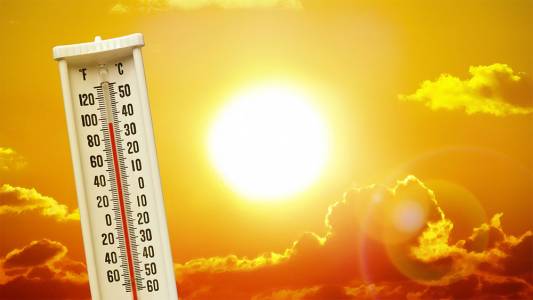
Temperatures are expected to rise significantly over the coming days, with the Malta Meteorological Office issuing heatwave alerts; and the public is advised to take the necessary precautions to stay safe during the extreme heat.
The Health Authorities have escalated the Heat Health Action Plan in response to the forecast heatwave to prepare for potential health impacts. Cooling centres in various localities are being activated to support highly vulnerable individuals who may not have access to adequate cooling facilities at home.
The Health Authorities would like to advise the public on the importance on taking the necessary precautions to stay healthy and avoid adverse consequences from the effects of the heat. It is important to keep well hydrated during the hot summer days.
High temperatures cause water to be lost from the body at quick rates resulting in dehydration. Look out for signs of dehydration: increased thirst, a dry mouth, dark urine, and passing urine less frequently and in small amounts.
High temperatures can also lead to heat exhaustion or heatstroke. Heat exhaustion is caused by loss of water and salt through sweating. Common symptoms include feeling weak, faint or sick, headache, dizziness, nausea and vomiting, muscle cramps, heavy sweating and intense thirst. For medical advice call 21231231.
Heat stroke is where the body is no longer able to cool itself and the body’s temperature becomes dangerously high. This is less common but more serious and untreated symptoms include high temperature, confusion, dizziness, seizures, and loss of consciousness. Heatstroke can cause serious damage to the body and even lead to death. Call 112 for emergency care.
The heat can affect everyone, but some people run a greater risk of serious harm including older people especially those over 75 years of age babies and young children, and people with chronic conditions such as kidney, respiratory or heart conditions, people with mental health problems; people who work outside and people who are on certain medications such as Lithium
To avoid the effects of the heat wave it is important to:
- Keep out of the heat by avoiding going out during hot periods of the day, usually between 11:00am and 4:00pm.
- Stay cool by staying in the coolest parts of the home and work
- Close curtains in rooms that face the sun to keep indoor spaces cooler.
- Drink plenty of water to replace fluids lost through sweating and eat more cold food such as salads
- Avoid dehydrating liquids. Alcohol, coffee, tea and caffeinated soft drinks can make the situation worse.
- Wear light loose fitting clothing.
- Avoid physical exertion in the hottest parts of the day; either opt for indoor physical activity or carry out your physical activity in the morning when it is coolest.
- Walk in the shade, apply sunscreen, and wear a hat if you must go out in the heat.
- Never leave anyone in a closed, parked vehicle, especially infants, young children or animals.
- Stay in an air-conditioned room, when possible.
- Seek medical advice if you have any concerns.
The Health Authorities are alerting the public to take the necessary precautions to protect themselves from the effects of the heat and to get health advice on 21231231 or call 112 for emergency situations such as heat stroke. It is also recommended to check regularly on older relatives, neighbours and friends, especially if they live alone and make sure they can keep cool during these high temperatures.
Stay safe while travelling abroad
This summer temperatures have soared across Europe. If you go out during the day carry a refillable water bottle and sip frequently even if you do not feel thirsty. Eat several small meals throughout the day instead of large meals and opt for fruits and salads.
Visit tourist attractions in the cooler mornings or evenings. Check the medications you are taking and follow the advice provided regarding their use in hot weather.
For more information follow HPDPMalta on Facebook or visit beattheheat.gov.mt