


Aġenzija Appoġġ held a national conference on domestic violence under the theme “Protect Survivors. Ensure Justice”, marking the International Day for the Elimination of Violence against Women on 25 November and strengthening collective commitment against all forms of violence.
The conference took place within the national 16 Days of Activism campaign, running from 25 November to Human Rights Day on 10 December. The United Nations theme for 2026, “UNiTE to End Violence Against Women and Girls: Ensure Justice, Protect Survivors, End Impunity”, highlights effective justice, protection and accountability.
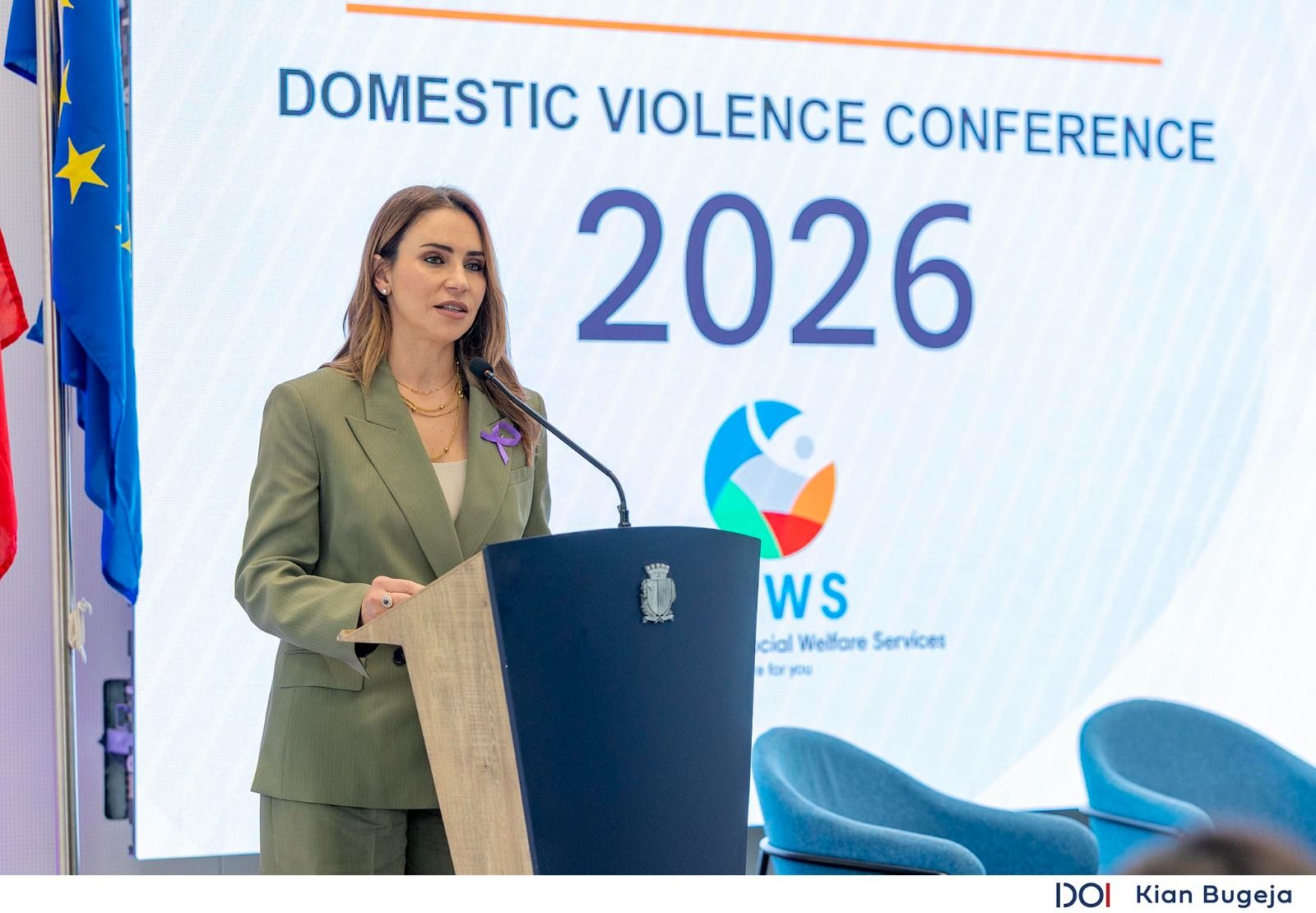
Dr Lydia Abela said the conference theme reflects society’s collective responsibility.
“We must continue to create an environment where victims feel safe to speak up, to seek help and to find the support they need. Ensuring justice means that no form of violence is tolerated, justified or normalised. As a society we must continue to work so that no one has to suffer in silence and so that everyone can live in safety, freedom and dignity,” she said.
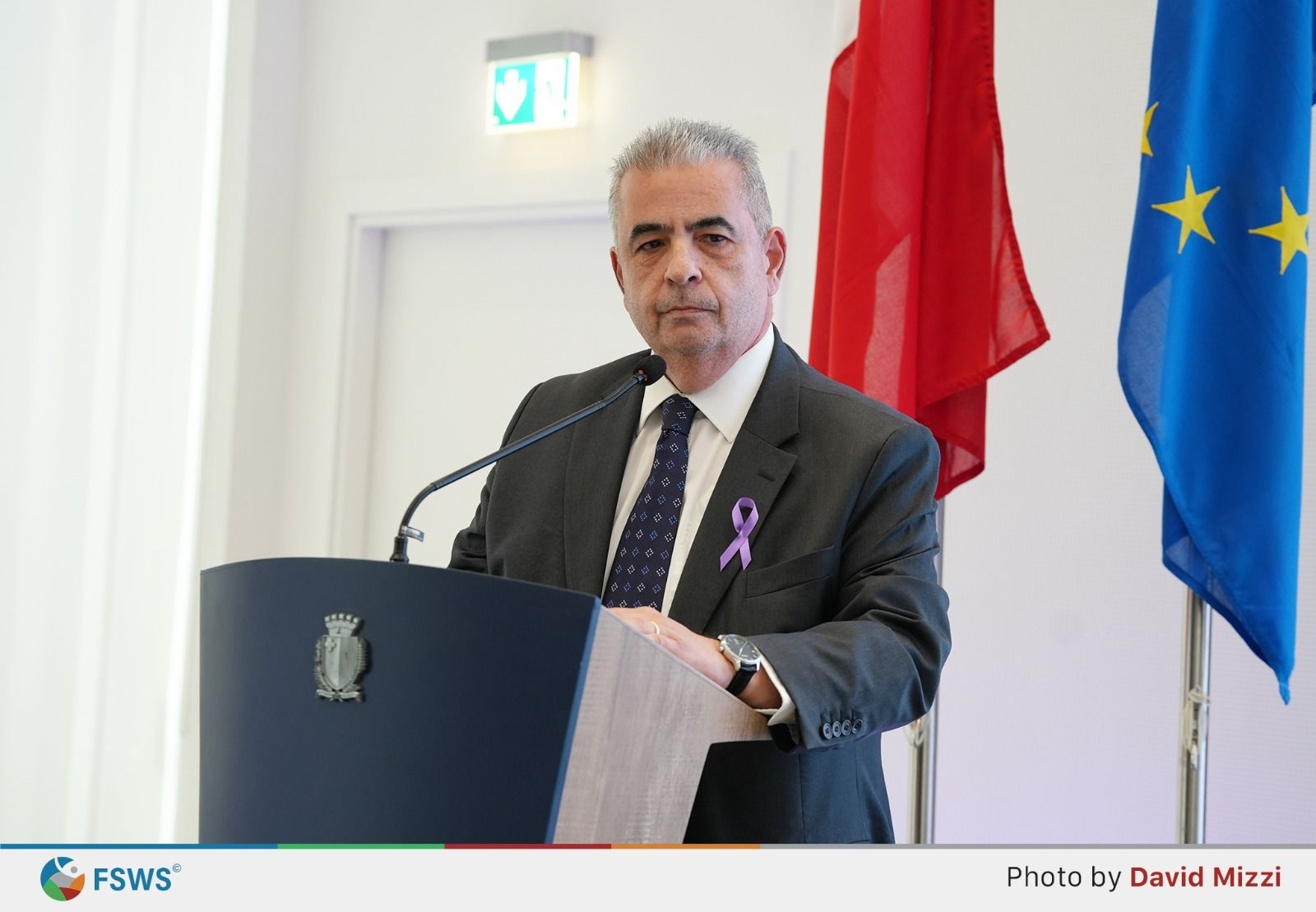
Social Policy and Family Minister Michael Falzon said physical and emotional violence are unacceptable and everyone should be able to live without fear.
“Our obligation remains to protect and provide assistance to every person who experiences violence without any discrimination. We are continuously strengthening tools and support in order to prevent as much as possible an escalation of violence and serious consequences,” he said.
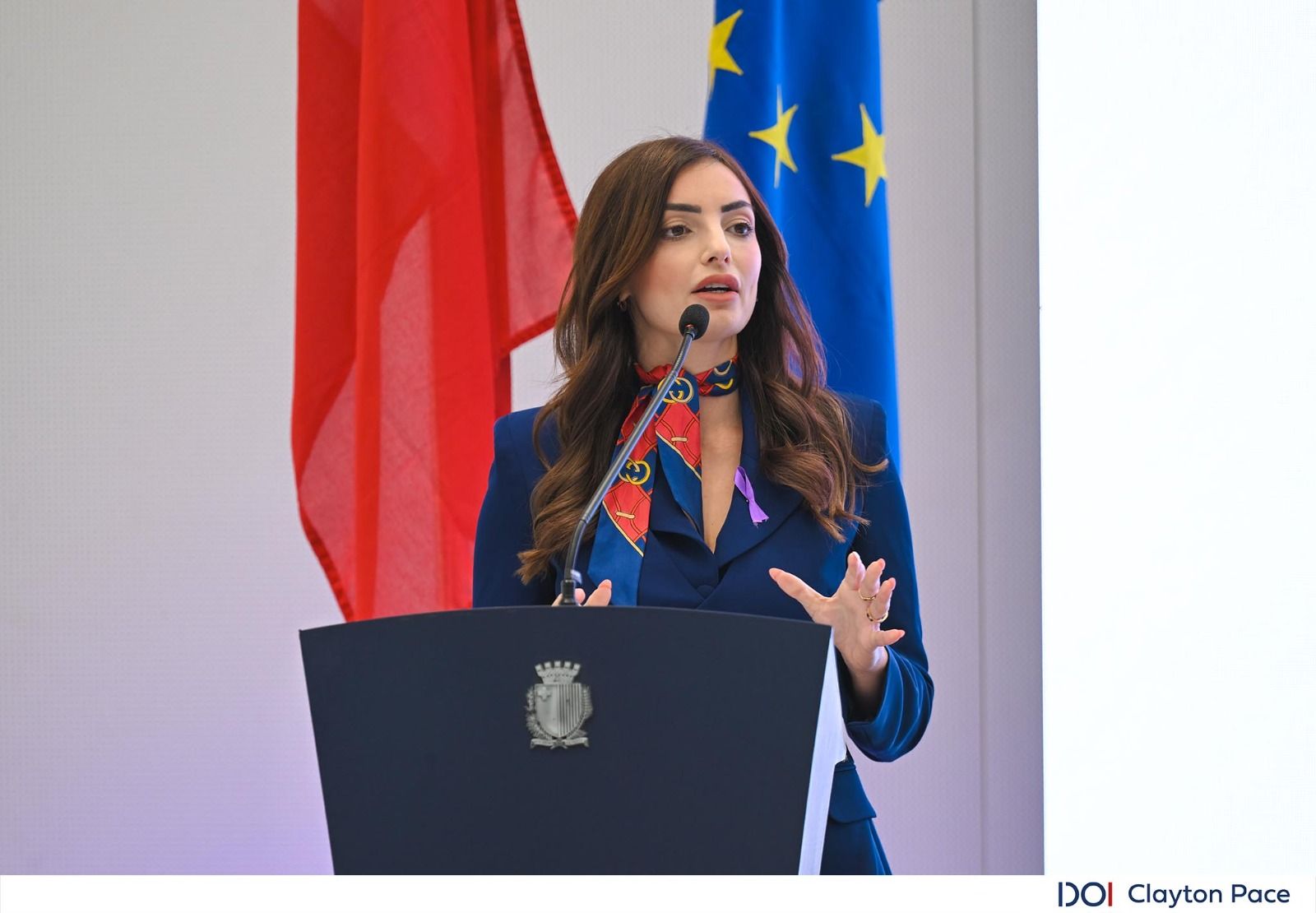
Equality and Civil Rights Minister Rosianne Cutajar called for early recognition of control, abuse and behaviour too often normalised by society. She stressed that victims should not be judged and perpetrators must be held accountable.
She described violence against women as a societal responsibility and an equality issue, urging people not to confuse control with care, jealousy with love or silence with consent.
Maltese diplomat Vanessa Frazier, the UN Special Representative for Children and Armed Conflict, discussed UN efforts to end violence against women and girls in peacetime and conflict. She called for awareness to be accompanied by action, political commitment and resources, with accessible justice, prevention and accountability.
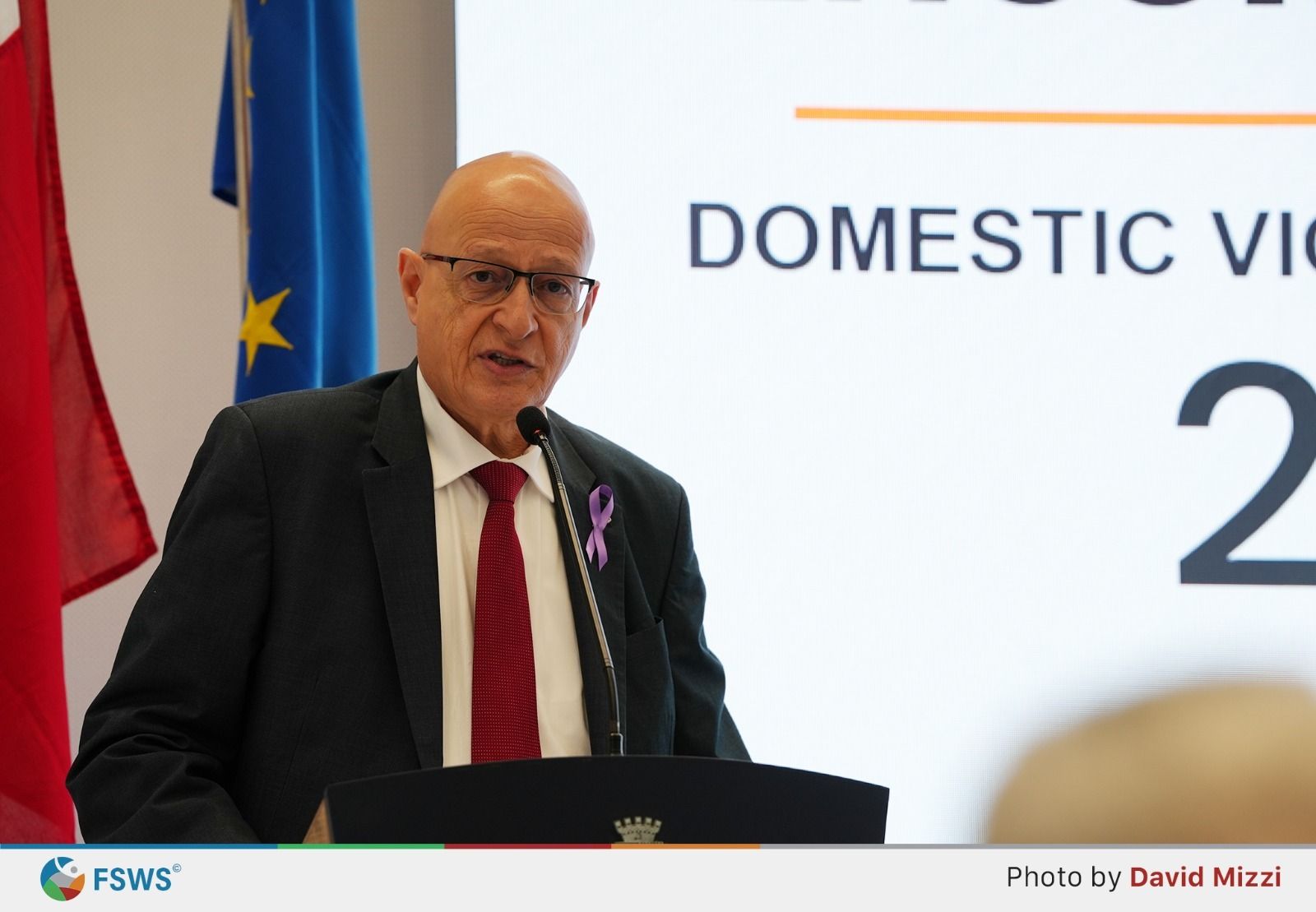
FSWS Chief Executive Alfred Grixti highlighted prevention, intervention, protection and specialist services. During 2025, FSWS registered 2,844 cases involving 2,622 people, with more men seeking assistance.
He announced funding for an extension to the Għabex shelter comprising 14 small apartments and expressed concern about psychological violence’s effects on children. He emphasised cooperation, awareness and prevention.
Aġenzija Appoġġ reaffirmed its commitment to a safer, inclusive society free from violence, where protection, justice and dignity are guaranteed for everyone.
Photos: DOI/MSF/MER. Photography: Kian Bugeja, Clayton Pace and David Mizzi/FSWS.