Families with children and beneficiaries of supplementary aid will receive payments totalling around €26.6 million over the weekend, covering the second quarter of this year. So far, over the first two payments of the year, these families have received a total of €53 million and it is estimated that by the end of the year they will have received almost €110 million.
The largest investment in this second quarter will be €19.5 million in payments of Children’s Allowance and the additional supplement which will go to almost 42,000 families with almost 62,600 children.
This is the second payment being made according to new parameters that were drawn up in the last Budget to establish the allowance rates paid to families whose disposable income is relatively low or average.
With the move, the rates paid to these families for each child under 16 have increased, with the highest allowance rate increasing by €167 to €1,420 per year. In addition, they are receiving a supplement that this year has increased by €250 to €910, which in total means €2,330 per child.
A family with two children who is entitled to the highest rate will be paid a total of €4,660 this year. The rates vary according to the families’ income, with the lowest amount a family can receive being almost €1,100 per year per child.
More than 2,100 other families with 2,700 children who suffer from physical or intellectual disabilities separately are receiving the Disabled Children’s Allowance payment which also covers the second quarter of the year. In total, the payments exceed €1.3 million.
Other payments will go to families who foster children up to the age of 21. For each child in their care this year they are being paid €6,760, an increase of €520 over last year. Therefore, this week they are receiving a 3-month payment of €1,690.
Meanwhile, almost 19,600 other families, couples or single people will be paid almost €5.4 million in enhanced Supplementary Allowance payments to help them cope better with life. Of these, around 70 percent are single people, widows and separated or divorced people on low incomes.
The maximum rate paid to couples this year increased to €27.30 per week, while that of single people reached €14.40 per week. The rates also vary according to income.
The number of beneficiaries has grown by 500 since December thanks to the widening of income limits, which was made with the aim of allowing more couples and single people to benefit from the benefit. The net income limit for couples rose by €2,000 to €20,000, while that for single people increased by €1,500 to €14,000.
Beneficiaries aged 65 and over are also benefiting from a €100 increase in the annual grant that is paid separately to the allowance this year. The grant, which now amounts to €250, is being given to both spouses instead of to one or both of them as was the case previously.
Furthermore, from the beginning of the year, those beneficiaries became automatically eligible for free medicines, without the need to meet the means test.
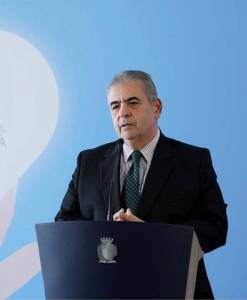
Minister for Social Policy and Children’s Rights Michael Falzon reiterated that, in a time of global uncertainty around the world, the Maltese Government continues to offer stability and peace of mind. While several families across Europe and beyond are having to face the devastating consequences of the foreign geopolitical situation, families in Malta continue to receive strong direct and indirect support from the Government.
Minister Falzon concluded by saying that this testifies to the unprecedented social commitment of this government for which Malta comes first and people come first.
Photo (MSPC)